
Erectile Dysfunction
Regain confidence and take control – fast, effective relief for erectile dysfunction, delivered discreetly to your door.
About Erectile Dysfunction
Erectile Dysfunction (ED), also known as impotence, is a common condition where a man has difficulty getting or maintaining an erection firm enough for sexual intercourse. It can occur at any age but becomes more common as men get older.
ED happens when there is insufficient blood flow to the penis, often due to physical or psychological factors. While it can be distressing, the good news is that ED is treatable in 95% of cases.
There are three main types of ED:
Vascular ED: Caused by poor blood flow to the penis (the most common type).
Neurogenic ED: Caused by nerve damage, often due to conditions like diabetes or spinal cord injuries.
Psychogenic ED: Caused by psychological factors such as stress, anxiety, or depression.
Treatments
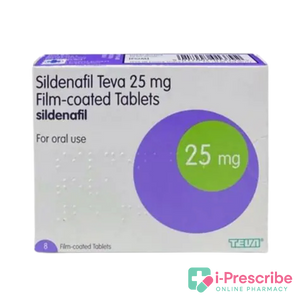
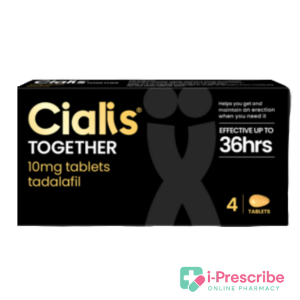
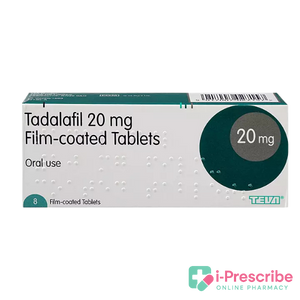
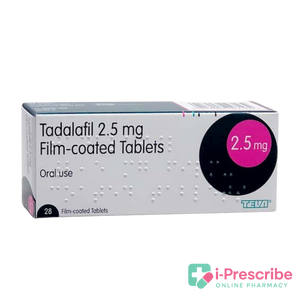
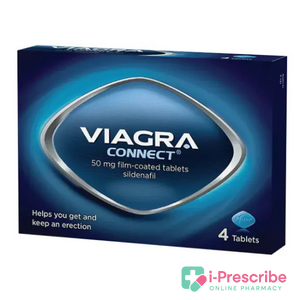
Common Medications
Erectile Dysfunction (ED) is a common condition, but the good news is that it’s highly treatable. Whether your ED is caused by physical factors, psychological issues, or a combination of both, there are effective solutions available to help you regain confidence and improve your sexual health.
More Information
Causes & Risk Factors for Erectile Dysfunction
Erectile Dysfunction (ED) can be caused by a combination of physical, psychological, and lifestyle factors. Understanding the root cause is key to finding the right treatment.
Physical Causes
Poor blood flow: Often due to conditions like high blood pressure, high cholesterol, or diabetes.
Nerve damage: Caused by diabetes, multiple sclerosis, or spinal cord injuries.
Hormonal imbalances: Low testosterone levels can contribute to ED.
Medications: Some drugs, such as antidepressants or blood pressure medications, can cause ED as a side effect.
Psychological Causes
Stress and anxiety: Performance anxiety or general stress can interfere with sexual function.
Depression: Mental health issues can reduce libido and affect erectile function.
Relationship problems: Emotional strain or poor communication with a partner can contribute to ED.
Lifestyle Risk Factors
Smoking: Damages blood vessels and restricts blood flow to the penis.
Alcohol and drug use: Excessive consumption can impair sexual performance.
Obesity: Being overweight increases the risk of conditions like diabetes and heart disease, which can lead to ED.
Lack of exercise: A sedentary lifestyle can contribute to poor cardiovascular health.
Other Risk Factors
Age: The risk of ED increases with age, but it can affect men of all ages.
Cycling: Prolonged pressure on the perineum during cycling can reduce blood flow to the penis. Cycling over 3 hours at a time can increase ED risk. To reduce it, take breaks every 20-30 minutes, use a comfortable seat, and wear padded shorts. If ED occurs after cycling, see a doctor—it’s usually temporary and reversible.
Diagnosis of Erectile Dysfunction
Diagnosing Erectile Dysfunction (ED) involves understanding your symptoms, medical history, and lifestyle. Here’s what to expect:
1. Medical History
Your doctor will ask about:
Your symptoms and how long you’ve experienced them.
Any underlying health conditions (e.g., diabetes, heart disease).
Medications you’re currently taking.
Lifestyle factors like smoking, alcohol use, and exercise habits.
2. Physical Examination
A physical exam may include:
Checking your blood pressure and heart health.
Examining your penis and testicles for any abnormalities.
3. Tests and Assessments
Depending on your symptoms, your doctor may recommend:
Blood tests: To check for diabetes, low testosterone, or cholesterol issues.
Urine tests: To rule out underlying conditions like diabetes.
Ultrasound: To assess blood flow to the penis.
Psychological evaluation: To identify stress, anxiety, or depression that may contribute to ED.
4. Discussion of Treatment Goals
Once diagnosed, your doctor will work with you to set treatment goals and explore the best options for your needs.
Can Erectile Dysfunction be cured permanently?
Whether Erectile Dysfunction (ED) can be cured permanently depends on its underlying cause:
Temporary Causes: If ED is caused by stress, anxiety, or a medication side effect, it can often be resolved by addressing the root issue. For example, reducing stress, switching medications, or making lifestyle changes may lead to a permanent improvement.
Chronic Conditions: If ED is caused by long-term conditions like diabetes, heart disease, or nerve damage, it may not be fully curable. However, it can often be effectively managed with treatments like oral medications (e.g., Viagra, Cialis), lifestyle changes, or medical devices.
Lifestyle Changes: In some cases, adopting a healthier lifestyle—such as quitting smoking, losing weight, or exercising regularly—can significantly improve or even reverse ED symptoms.
While not all cases of ED can be permanently cured, the right treatment plan can help you regain sexual function and improve your quality of life.
When To See A Doctor
If you’re experiencing persistent or recurring difficulty getting or maintaining an erection, it’s important to consult a doctor. Here are some signs that you should seek medical advice:
Frequent ED: If ED occurs regularly and affects your sexual life or relationships.
Underlying Health Conditions: If you have diabetes, heart disease, or high blood pressure, as ED can be an early warning sign of these conditions.
Psychological Impact: If ED is causing stress, anxiety, or depression.
Medication Side Effects: If you suspect your medications might be contributing to ED.
Sudden Onset: If ED occurs suddenly, especially after an injury or surgery.
Seeing a doctor can help identify the cause of your ED and guide you toward the most effective treatment options.
FAQ's
How common is ED?
ED is very common, especially as men age. Around 52% of men experience it at some point in their lives.
Can ED be cured?
It depends on the cause. ED caused by temporary factors (e.g., stress) can often be resolved, while ED linked to chronic conditions (e.g., diabetes) can usually be managed effectively.
What treatments are available for ED?
Treatments include oral medications (e.g., Viagra, Cialis), lifestyle changes, counselling, vacuum devices, and in some cases, surgery.
Are ED medications safe?
Yes, when taken as prescribed. However, they may interact with other medications or cause mild side effects like headaches or flushing.
Can lifestyle changes help with ED
Yes. Quitting smoking, losing weight, exercising, and reducing alcohol intake can improve ED symptoms.
Can cycling cause ED?
Prolonged cycling can increase ED risk due to pressure on the perineum. Taking breaks and using a comfortable seat can help reduce this risk.
Is ED a sign of heart disease?
ED can be an early warning sign of cardiovascular issues, as both conditions are linked to poor blood flow.