
See a doctor if your symptoms are severe, persistent, or not improving with over-the-counter treatments. You should also seek medical advice if you experience additional symptoms like wheezing or difficulty breathing, which could indicate asthma.
Hay Fever
Find relief with expert care and fast, reliable treatment delivered to your doorstep.
About Hay Fever
Hay fever, also known as allergic rhinitis, is an allergic reaction to pollen, a fine powder released by plants during their reproductive cycle. Pollen contains proteins that can irritate and inflame the eyes, nose, and throat, leading to symptoms like sneezing, a runny nose, and itchy eyes.
There are three main types of pollen that trigger hay fever at different times of the year: tree pollen (late March to mid-May), grass pollen (mid-May to July), and weed pollen (June to September).
While hay fever is most commonly triggered by pollen, other allergens like animal fur, dust mites, and mould can also cause symptoms. Unlike a cold, hay fever is not caused by a virus and does not cause a fever.
Treatments
Common Medications
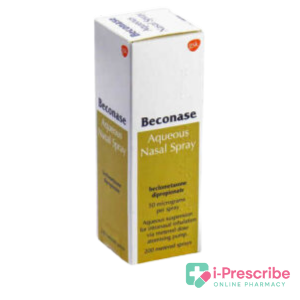
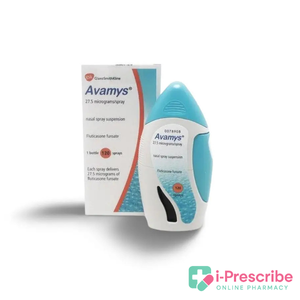
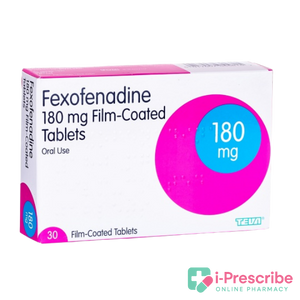
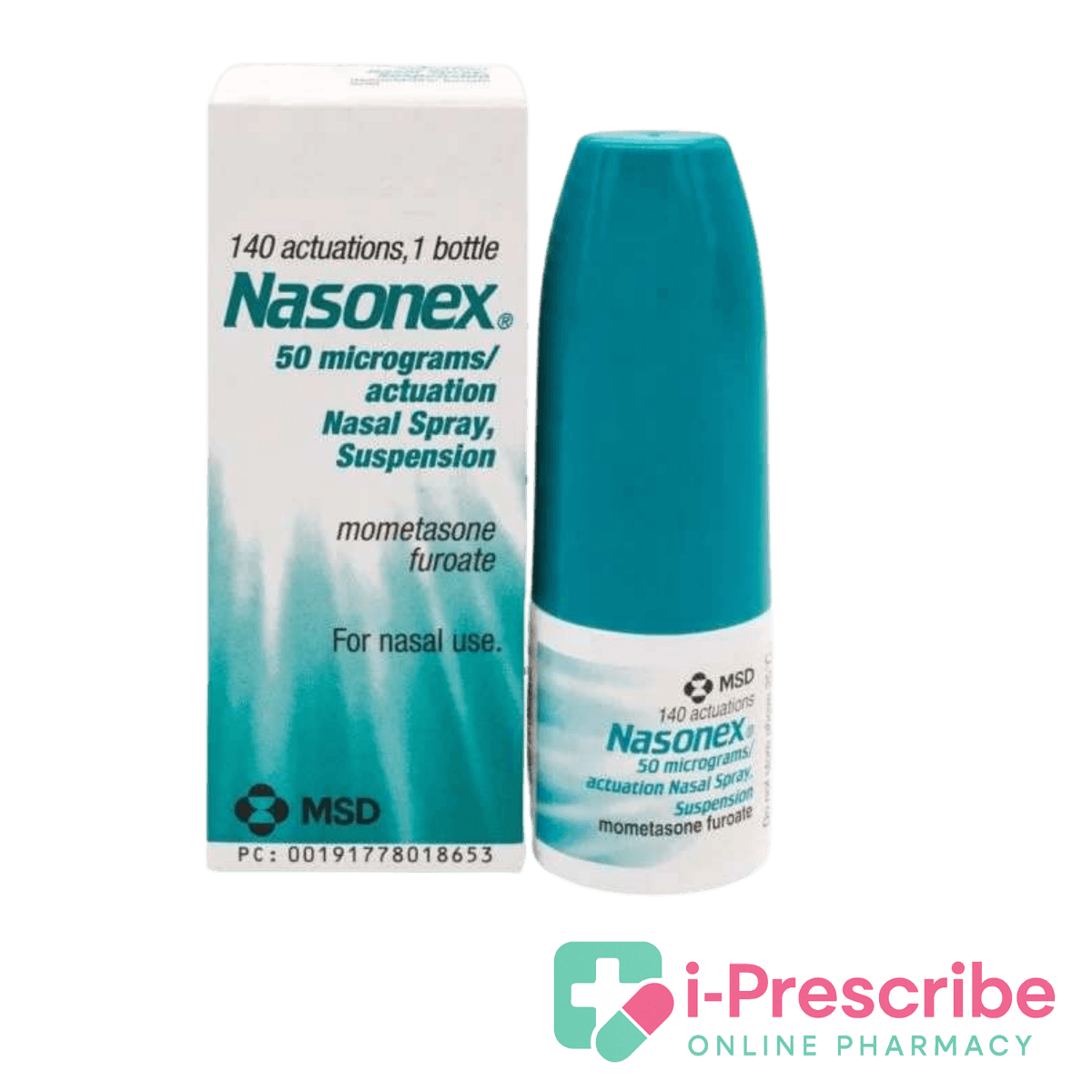
Hay fever can be effectively managed with a combination of medications, lifestyle changes, and preventive measures. Here’s an overview of the most common treatment options:
More Information
Common Symptoms of Hay Fever
- Sneezing frequently, especially after exposure to allergens.
- Runny or blocked nose, often with thin, watery discharge.
- Itchy, red, or watery eyes, a condition known as allergic conjunctivitis.
- Itchy throat, mouth, or ears.
- Coughing caused by postnasal drip.
- Fatigue due to poor sleep or constant discomfort.
Symptoms can appear immediately after exposure to allergens and may last for weeks or months, depending on the pollen season. Unlike a cold, hay fever does not cause a fever or muscle aches.
Causes of Hay Fever
Hay fever is caused by an allergic reaction to allergens, most commonly pollen from trees, grasses, and weeds. When these tiny particles enter your body, your immune system mistakenly identifies them as harmful, releasing chemicals like histamine that trigger symptoms.
Pollen: the primary cause of hay fever, with different types active at different times of the year:
- Tree pollen (late March to mid-May).
- Grass pollen (mid-May to July).
- Weed pollen (June to September)
Other Allergens include:
- Animal fur
- Dust mites
- Mould
When To See A Doctor
While many cases of hay fever can be managed with over-the-counter treatments, there are times when it’s important to seek medical advice.
Consult a doctor if:
- Symptoms persist despite using antihistamines or other remedies.
- Symptoms are severe and interfere with daily activities, work, or sleep.
- Over-the-counter treatments aren’t providing relief.
- You experience additional symptoms like wheezing, chest tightness, or difficulty breathing, which could indicate asthma.
- You’re unsure whether your symptoms are caused by hay fever or another condition.
A doctor can help confirm the diagnosis, recommend stronger treatments like prescription medications, or refer you for allergy testing to identify specific triggers. Early intervention can help you manage symptoms more effectively and improve your quality of life
Common Risk Factors
- Genetics: A family history of allergies increases your risk.
- Environment: Living in areas with high pollen counts or pollution.
- Age: Hay fever often starts in childhood or adolescence but can develop at any age.
- Other Allergies: People with asthma or eczema are more likely to develop hay fever.
FAQ's
What is the best treatment for hay fever?
The best treatment depends on your symptoms and their severity. Common options include antihistamines for sneezing and itching, nasal corticosteroids for congestion, and eye drops for itchy eyes. For severe cases, immunotherapy (allergy shots or tablets) may be recommended.
Can hay fever be cured?
Hay fever cannot be cured, but it can be effectively managed with medications, lifestyle changes, and preventive measures. Immunotherapy can also provide long-term relief by reducing your sensitivity to allergens.
How can I prevent hay fever symptoms?
Prevent symptoms by avoiding allergens (e.g., staying indoors on high pollen days), starting treatment early before pollen season begins, and practicing good hygiene (e.g., showering after being outdoors).