
Acid Reflux
Soothe the burn and take back control – fast, effective relief from acid reflux, delivered discreetly to your door.
How It Works
Complete Online Assessment
We need to ask a few questions to make sure the medicine is right for you.
Select Acid Reflux Medication
Choose the medicine that works best for you and pay conveniently online.
Discrete & Quick Delivery
The medication is delivered discretely and quickly to your door following approval.
About Acid Reflux
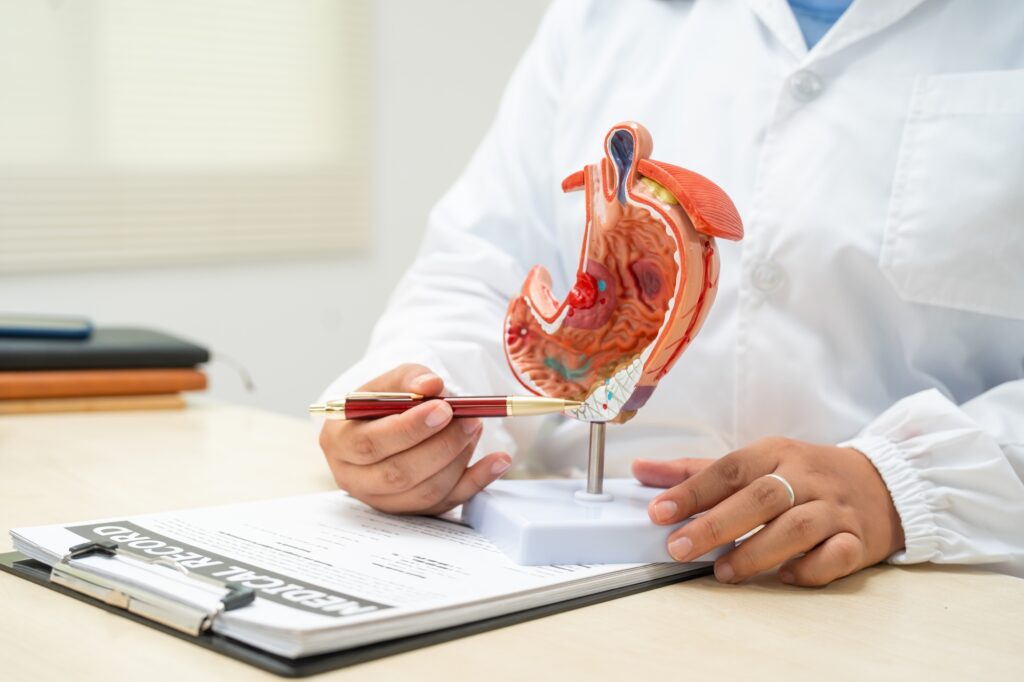
Acid reflux, also called indigestion or heartburn, is a common digestive issue that causes discomfort but isn’t always a sign of a serious condition. However, if symptoms occur more than twice a week, it could be Gastro-Oesophageal Reflux Disease (GORD/GERD).
It happens when stomach acid flows back into the oesophagus (the food pipe) because the lower oesophageal sphincter (LES) – a muscle valve – doesn’t close properly.
Acid reflux can affect people of all ages, but it’s most common in adults aged 40 and over. In fact, 1 in 5 people in the UK experience acid reflux regularly.
Treatments
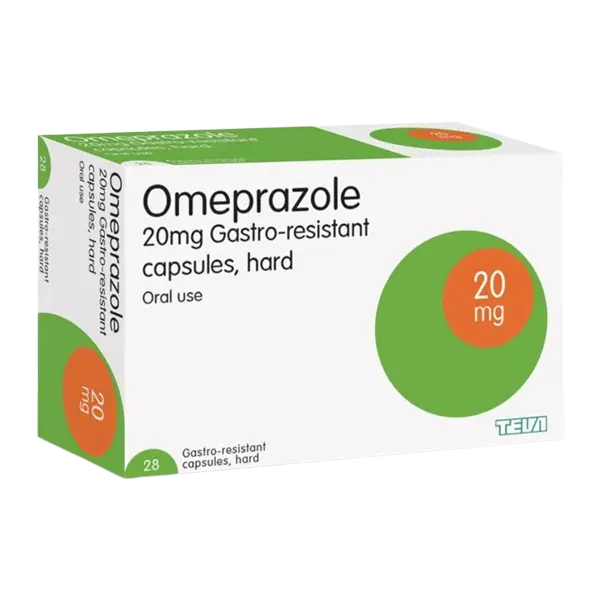
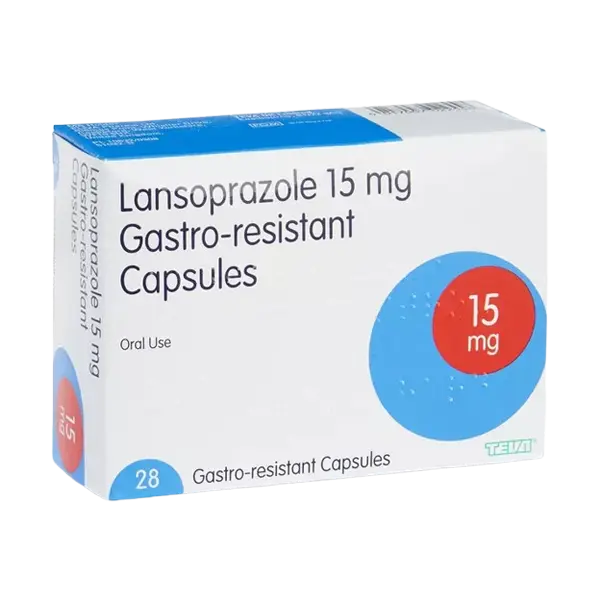
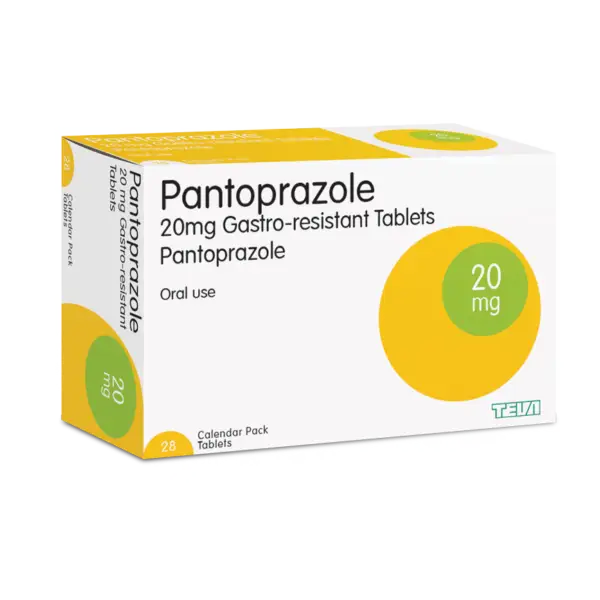
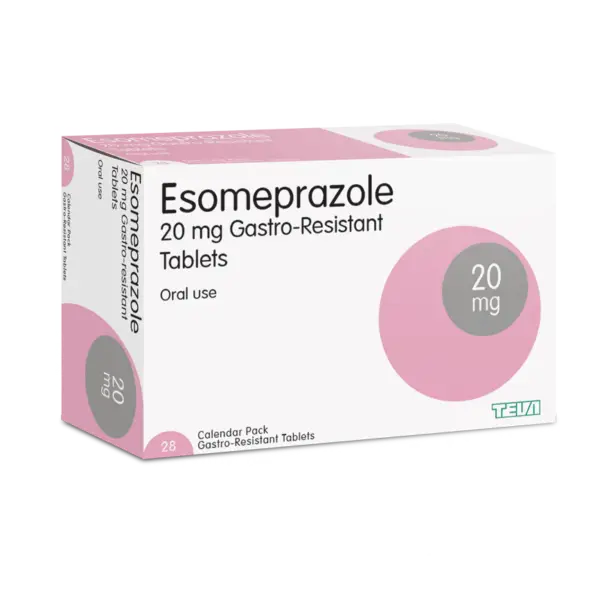
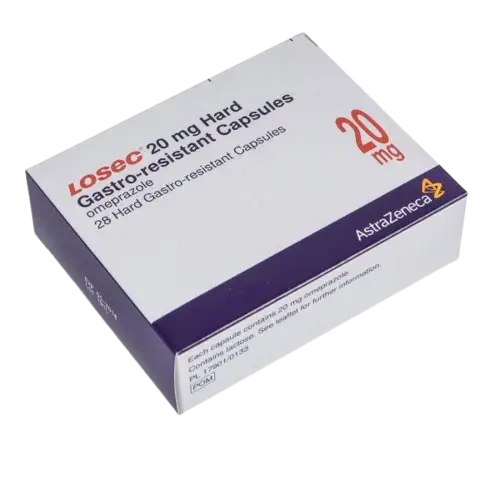
Common Medications
Acid reflux can be uncomfortable, but the good news is that it’s highly treatable. Whether you’re dealing with occasional heartburn or chronic GERD (Gastro-Oesophageal Reflux Disease), there are effective solutions to help you find relief. From lifestyle changes and over-the-counter medications to prescription treatments, managing acid reflux is easier than ever.
More Information
What is Acid Reflux
GERD (Gastro-Oesophageal Reflux Disease) is a chronic form of acid reflux. It happens when stomach acid frequently leaks into the oesophagus, causing irritation and inflammation. Over time, this can lead to more serious complications if left untreated.
Common Symptoms of Acid Reflux
- A burning sensation in the chest (heartburn)
- Regurgitation (bringing up food or liquid from the stomach)
- Difficulty swallowing
- Chronic cough or sore throat
- A sour or bitter taste in the mouth
- Chest pain (often mistaken for heart-related issues)
- Tooth erosion (the loss of tooth enamel caused by acid attack)
Causes of Acid Reflux
- Being overweight or obese
- Hiatal hernia (stomach bulges through the diaphragm)
- Pregnancy (hormonal changes relax the LES)
- Smoking or alcohol use
- Eating large meals or eating late at night
- Eating certain foods (e.g., fatty, fried, or acidic foods)
- Medications (e.g., ibuprofen, aspirin, some antidepressants)
- Older age (LES weakens with age)
- Family history of acid reflux
When To See A Doctor
- Persistent stomach issues that don’t improve with over-the-counter treatments
- Unexplained weight loss
- Difficulty swallowing or a feeling of food getting stuck
- Chronic fatigue or weakness
- Blood in your stool or black, tarry stools
- Bloody or black vomit
- Abdominal pain that doesn’t go away
- Severe symptoms like chest pain, fever, or choking episodes
- If you’re pregnant and experiencing frequent acid reflux, consult your doctor for safe treatment options.
- If you have a family history of gut problems or GERD, early evaluation is recommended.
FAQ's
How can I avoid acid reflux?
You can reduce your risk by eating smaller meals, avoiding trigger foods (e.g., spicy or fatty foods), maintaining a healthy weight, not lying down after eating, quitting smoking, and limiting alcohol.
Is acid reflux dangerous?
Acid reflux is usually not dangerous, but persistent or severe cases can lead to GERD and complications like esophagitis, Barrett’s oesophagus, or respiratory issues. Seek medical advice for persistent symptoms.
When should I see a doctor for acid reflux?
See a doctor if you experience symptoms more than twice a week, difficulty swallowing, unexplained weight loss, blood in vomit or stool, or if symptoms don’t improve with over-the-counter treatments.
How common is acid reflux in the UK?
Acid reflux is very common, affecting 1 in 5 people in the UK. Symptoms become more likely with age, and persistent cases should be evaluated by a healthcare professional.