
Stop Smoking
Take back control and breathe easier – effective, proven treatments to help you quit smoking, delivered discreetly to your door.
Why Is It Hard To Stop Smoking?
Quitting smoking is one of the best things you can do for your health, but it’s also one of the hardest. The main reason is nicotine, the addictive chemical in tobacco. When you smoke, nicotine quickly reaches your brain and creates a temporary feeling of pleasure. Over time, your brain gets used to this and starts to depend on nicotine to feel normal. When you try to quit, your brain misses the nicotine, leading to cravings, irritability, and other withdrawal symptoms.
But it’s not just about nicotine. Smoking often becomes a big part of your daily routine—whether it’s lighting up with your morning coffee, during a work break, or when you’re stressed. Breaking these habits can feel just as challenging as overcoming the physical addiction.
The good news? While quitting smoking is tough, it’s absolutely possible. With the right tools, support, and strategies, you can take control and kick the habit for good.
Treatments
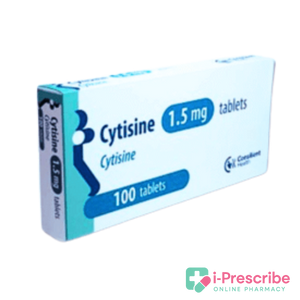
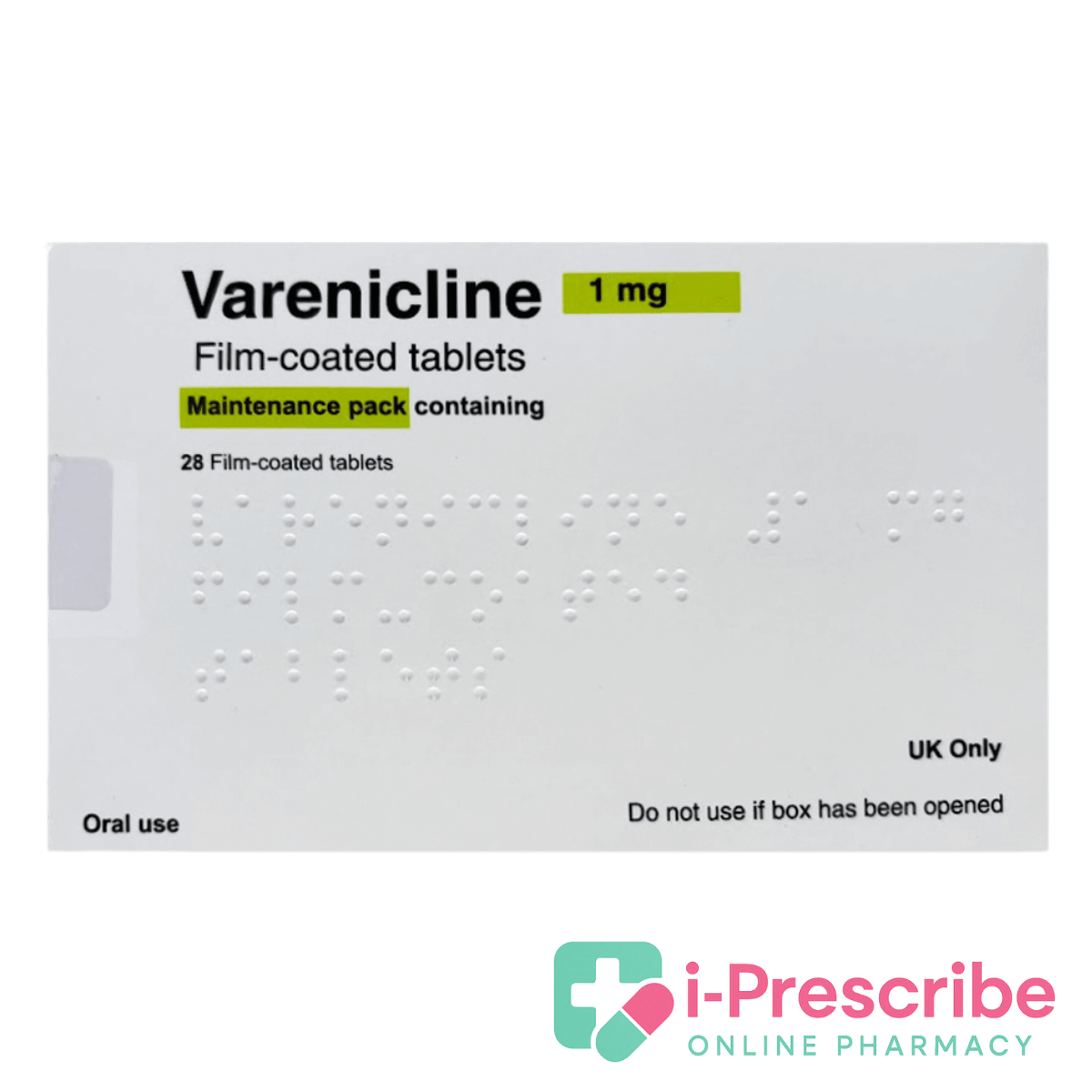
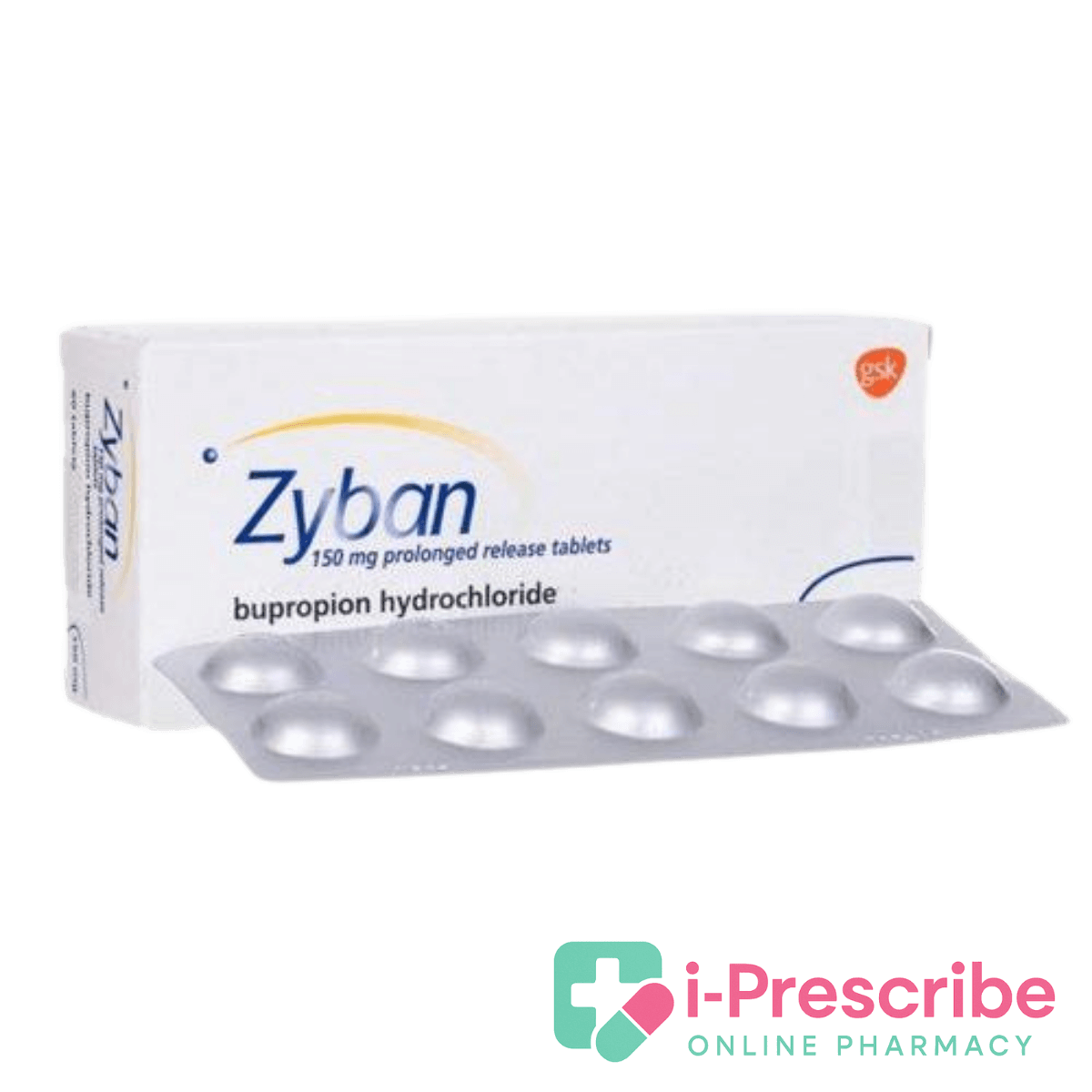
Common Medications
Quitting smoking is one of the best things you can do for your health, but it’s not always easy. The good news is, you don’t have to do it alone. There are proven treatments and medications designed to help you manage cravings, ease withdrawal symptoms, and increase your chances of success.
More Information
Why You Should Stop Smoking
Quitting smoking is one of the best decisions you can make for your health, your wallet, and your loved ones. Here’s why:
1. Protect Your Health
Smoking harms nearly every organ in your body and is a leading cause of serious health conditions, including:
Cancer: Smoking causes at least 15 types of cancer, including lung, throat, and mouth cancer.
Heart Disease and Stroke: Smoking damages your heart and blood vessels, increasing your risk of heart attacks and strokes.
Lung Conditions: It’s a major cause of chronic obstructive pulmonary disease (COPD) and emphysema, making it harder to breathe.
When you quit, your body starts to heal almost immediately. Within weeks, your lung function improves, and over time, your risk of these diseases drops significantly.
2. Feel Better, Live Longer
Quitting smoking boosts your energy levels, improves your sense of taste and smell, and gives you healthier skin. It also reduces stress and anxiety in the long term, even though it might feel tough at first. Most importantly, stopping smoking can add years to your life—giving you more time to enjoy the things you love.
3. Protect Those Around You
Second-hand smoke is dangerous, especially for children, pregnant women, and people with existing health conditions. By quitting, you’re not just helping yourself—you’re protecting your family and friends from the harmful effects of passive smoking.
4. Save Money
Smoking is expensive. The average smoker in the UK spends thousands of pounds a year on cigarettes. Imagine what you could do with that extra money—whether it’s treating yourself, saving for a holiday, or investing in your future.
5. Take Back Control
Smoking doesn’t just affect your health—it can control your life. From planning your day around cigarette breaks to feeling dependent on nicotine, quitting helps you break free and regain control.
The START Method
Quitting smoking is easier when you have a plan. The START method is a simple, step-by-step approach to help you succeed. Here’s how it works:
S – Set a Quit Date
Choose a specific date to stop smoking. Pick a day that gives you enough time to prepare but isn’t too far away—this helps you stay focused and motivated.
T – Tell Friends, Family, and Co-workers
Let the people around you know you’re quitting. Their support and encouragement can make a big difference, and they can help you avoid situations where you might be tempted to smoke.
A – Anticipate Challenges
Think about the cravings and triggers you might face, like stress or social situations. Plan how you’ll handle them—whether it’s chewing gum, going for a walk, or using a nicotine replacement product.
R – Remove Cigarettes and Smoking Paraphernalia
Get rid of all cigarettes, lighters, ashtrays, and anything else that reminds you of smoking. Clean your home, car, and workspace to remove the smell of smoke and reduce temptation.
T – Talk to Your Doctor or Health Professional
Seek professional advice. Your doctor or pharmacist can recommend treatments like nicotine replacement therapy (NRT) or prescription medications to help manage cravings and withdrawal symptoms. They can also provide support and guidance tailored to your needs.
How to Stop Smoking With Medication
Quitting smoking can be tough, but medications can make it easier by reducing cravings and withdrawal symptoms. Here’s a guide to the most effective options:
1. Nicotine Replacement Therapy (NRT)
NRT provides your body with a controlled amount of nicotine without the harmful chemicals in cigarettes. It helps ease withdrawal symptoms and cravings. Types of NRT include:
Patches: Provide a steady dose of nicotine throughout the day.
Gums and Lozenges: Offer quick relief when cravings strike.
Inhalers and Nasal Sprays: Deliver nicotine faster for stronger cravings.
You can buy NRT over the counter at pharmacies, or get it on prescription from your GP.
2. Prescription Medications
If NRT isn’t enough, your doctor may prescribe medications to help you quit:
Champix (Varenicline): Reduces cravings and blocks the pleasurable effects of smoking.
Zyban (Bupropion): Helps manage withdrawal symptoms and cravings by affecting brain chemicals.
These medications are only available on prescription, so talk to your GP to see if they’re right for you.
3. E-cigarettes (Vaping)
While not a medication, e-cigarettes can be a useful tool. They deliver nicotine in a vapour without the harmful tar and chemicals found in cigarettes. Many people find them helpful for quitting smoking, but they’re not risk-free. If you choose to vape, aim to stop using e-cigarettes eventually too.
Tips for Using Medications Effectively
Start Early: Begin using medications a week or two before your quit date to prepare your body.
Combine Methods: Using patches with gums or lozenges can help manage stronger cravings.
Follow Instructions: Always use medications as directed by your doctor or pharmacist.
Seek Support: Combine medications with behavioural support, like counselling or stop-smoking apps, for the best results.
Dealing With Withdrawal Symptoms
When you quit smoking, your body has to adjust to life without nicotine. This can cause withdrawal symptoms, but don’t worry—they’re temporary and a sign your body is healing. Here’s how to manage the most common challenges:
Nicotine Cravings
Cravings are one of the toughest parts of quitting, especially in the first few days. They usually last just a few minutes, so distract yourself by going for a walk, drinking water, or practising deep breathing. Nicotine replacement therapy (NRT), like gums, lozenges, or patches, can also help take the edge off.
Irritability and Mood Swings
It’s normal to feel grumpy, restless, or even frustrated when you quit. Exercise can help—it releases endorphins that boost your mood. Relaxation techniques like meditation, yoga, or simply talking to someone supportive can also make a big difference.
Difficulty Concentrating
Many people find it hard to focus in the early days of quitting. If you’re feeling foggy-headed, try breaking tasks into smaller steps and taking regular breaks. Staying hydrated and being patient with yourself can help—your concentration will improve over time.
Sleep Problems
Trouble sleeping or vivid dreams are common when you quit smoking. To improve your sleep, avoid caffeine in the evening, stick to a calming bedtime routine, and create a relaxing sleep environment. Gentle relaxation exercises before bed can also help you unwind.
Increased Appetite or Weight Gain
It’s normal to feel hungrier than usual after quitting. To manage this, reach for healthy snacks like fruit, nuts, or veggie sticks, and stay active to boost your mood and manage your weight. Drinking plenty of water can also help you feel full.
Remember: It Gets Easier
Withdrawal symptoms are strongest in the first week but will gradually fade. Most people feel much better after 2-4 weeks. If symptoms feel overwhelming, talk to your GP or pharmacist—they can recommend treatments or support to help you through.
FAQ's
What’s the best way to quit smoking?
There’s no one-size-fits-all approach. Many people find success with a combination of:
Nicotine replacement therapy (NRT) like patches, gums, or lozenges.
Prescription medications like Champix or Zyban.
Behavioural support, such as stop-smoking services, apps, or counselling.
How long do withdrawal symptoms last?
Withdrawal symptoms are usually strongest in the first week after quitting and gradually improve over 2-4 weeks. Some people may experience mild cravings or mood changes for a few months, but these become much easier to manage over time.
Can I use e-cigarettes to quit smoking?
E-cigarettes (vaping) can be a helpful tool for quitting, as they provide nicotine without the harmful chemicals in tobacco smoke. However, they’re not risk-free, so it’s best to aim to stop using e-cigarettes eventually too.
What if I slip up and have a cigarette?
Don’t panic—slip-ups happen, and they don’t mean you’ve failed. Use it as a learning opportunity to figure out what triggered the craving and how you can handle it better next time. Get back on track as soon as possible.
How can I stay motivated to quit?
Set clear goals, like saving money or improving your health, and remind yourself of them often. Celebrate small milestones, like being smoke-free for a week or a month. Support from friends, family, or stop-smoking services can also keep you motivated.
How long does it take for my health to improve after quitting?
Your body starts to heal almost immediately. Within 24 hours, your lungs begin to clear, and after a year, your risk of heart disease is halved. Over time, your risk of cancer, stroke, and other smoking-related illnesses drops significantly.