
Premature Ejaculation
Regain control and boost your confidence – fast, effective solutions for premature ejaculation, delivered discreetly to your door.
About Premature Ejaculation
Premature Ejaculation (PE), also known as rapid or early ejaculation, is a common sexual condition where a man ejaculates sooner than desired during sexual activity.
It affects around 1 in 3 men at some point in their lives. While the duration of sex varies for every couple, PE is medically defined as ejaculating within 1 to 3 minutes of penetration or before you or your partner feel satisfied.
If you consistently ejaculate too quickly and feel distressed, frustrated, or lack control over ejaculation, it may be time to consider treatment.
Treatments
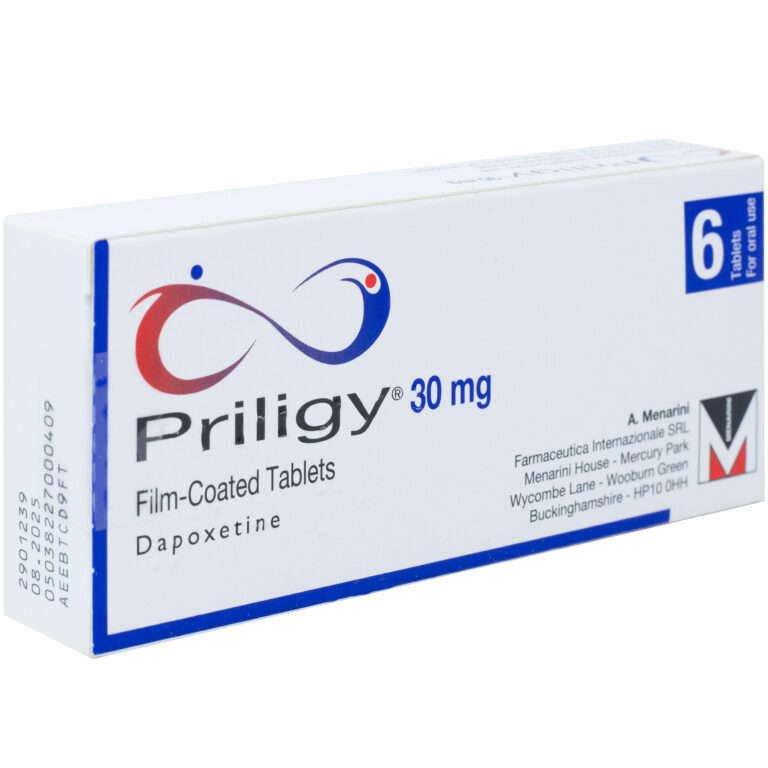
Common Medications
Premature Ejaculation (PE) can be frustrating, but the good news is that it’s highly treatable. Whether your PE is caused by psychological factors, sensitivity issues, or an underlying health condition, there are effective solutions to help you regain control and improve your sexual confidence.
More Information
Common Symptoms of Premature Ejaculation
Premature Ejaculation (PE) is characterized by a consistent pattern of ejaculating sooner than desired during sexual activity. Common symptoms include:
Ejaculating within 1 to 3 minutes of penetration, or even before penetration.
Lack of control: Feeling unable to delay ejaculation during most sexual encounters.
Distress or frustration: Feeling upset, embarrassed, or dissatisfied about the timing of ejaculation.
Avoiding intimacy: Avoiding sexual activity due to anxiety or fear of embarrassment.
If these symptoms occur in half or more of your sexual attempts and cause distress, it may be time to consider treatment.
Causes of Premature Ejaculation
Premature Ejaculation (PE) can be caused by a combination of physical, psychological, and lifestyle factors. Understanding the root cause is key to finding the right treatment.
Psychological Causes
Stress and Anxiety: Performance anxiety or general stress can interfere with sexual control.
Depression: Mental health issues can affect sexual performance and timing.
Relationship Problems: Emotional strain or poor communication with a partner can contribute to PE.
Past Trauma: Negative sexual experiences or upbringing can impact sexual confidence.
Physical Causes
Hormonal Imbalances: Abnormal levels of hormones like serotonin can affect ejaculation timing.
Prostate Issues: Inflammation or other prostate conditions may contribute to PE.
High Sensitivity: An overly sensitive penis can lead to quicker ejaculation.
Lifestyle Factors
Substance Use: Excessive alcohol or recreational drugs can impair sexual performance.
Lack of Experience: Younger men or those with less sexual experience may struggle with control.
When To See A Doctor
While occasional premature ejaculation (PE) is normal, there are times when it’s important to seek medical advice. Here’s when you should see a doctor:
Frequent PE: If you consistently ejaculate too quickly in half or more sexual attempts.
Distress or Frustration: If PE is causing you or your partner significant frustration, embarrassment, or relationship issues.
Sudden Onset: If PE starts suddenly, especially after a change in health, medication, or lifestyle.
Underlying Health Concerns: If you suspect PE may be linked to conditions like prostate issues, hormonal imbalances, or mental health problems.
No Improvement: If self-help techniques or over-the-counter treatments don’t work after several weeks.
A doctor can help identify the cause of your PE and recommend the best treatment options.
FAQ's
How common is Premature Ejaculation (PE)?
PE affects around 1 in 3 men at some point in their lives, making it one of the most common sexual issues.
Can Premature Ejaculation be treated?
Yes, PE is highly treatable. Options include medications (e.g., SSRIs), behavioral techniques, counselling, and topical treatments.
Are there natural ways to manage PE?
Yes, techniques like the stop-start method or squeeze technique can help improve control. Reducing stress and improving communication with your partner can also help.
Can PE go away on its own?
Occasional PE may resolve on its own, but frequent or persistent PE usually requires treatment.
Is PE linked to erectile dysfunction (ED)?
PE and ED are different conditions, but they can sometimes occur together. A doctor can help diagnose and treat both issues.
When should I see a doctor about PE?
See a doctor if PE occurs frequently, causes distress, or starts suddenly. It could be a sign of an underlying health issue.
Can PE affect relationships?
Yes, PE can lead to frustration, embarrassment, or avoidance of intimacy, which may strain relationships. Open communication and treatment can help.