
See a doctor if you’ve had an allergic reaction, need an adrenaline auto-injector, or require allergy testing. Call 999 immediately if you or someone else shows signs of anaphylaxis.
Anaphylaxis
Anaphylaxis is a life-threatening allergic reaction requiring immediate action—get treatment delivered directly to your door.
About Anaphylaxis
Anaphylaxis is a severe, life-threatening allergic reaction that can occur within seconds or minutes of exposure to an allergen like foods, insect stings, medications, or latex.
It happens when your immune system overreacts, releasing chemicals that cause swelling of the throat, difficulty breathing, a sudden drop in blood pressure, and even shock. Without immediate treatment, it can be fatal.
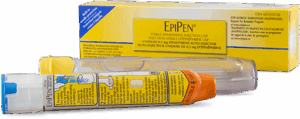
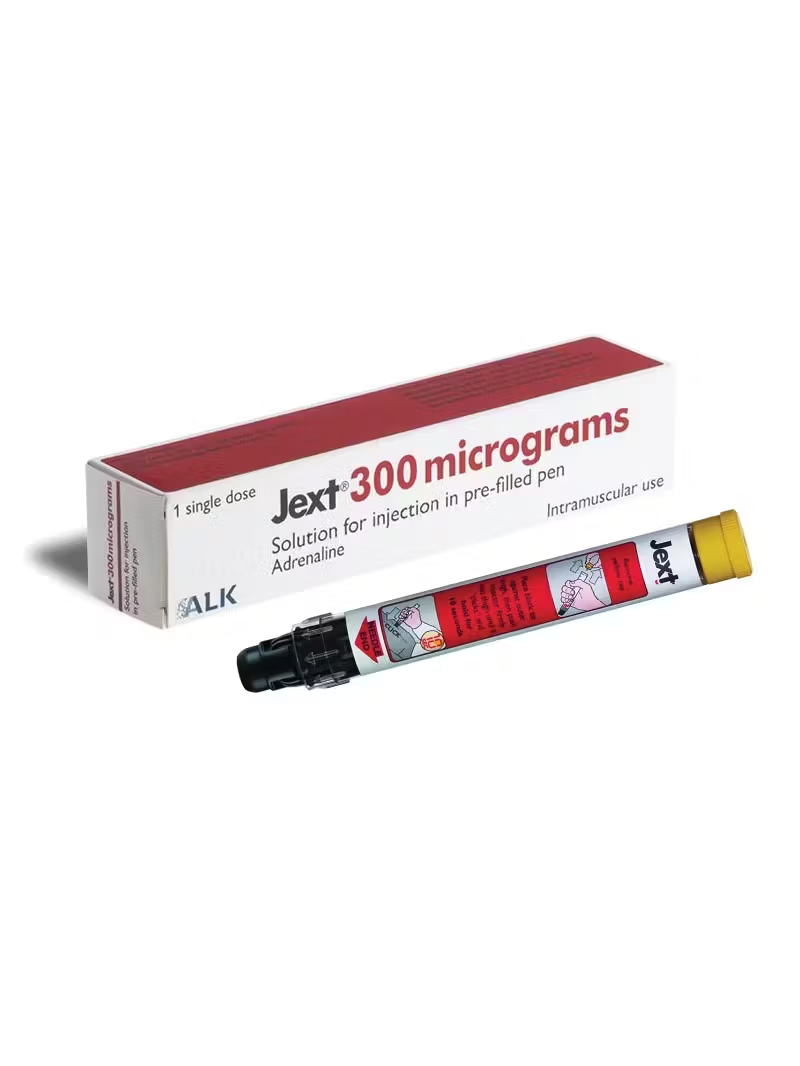
Anaphylaxis is a medical emergency that requires instant action. The first line of treatment is an adrenaline auto-injector (e.g., EpiPen or Jext), followed by emergency medical care.

More Information
What is Anaphylaxis?
Anaphylaxis is a severe, life-threatening allergic reaction that can occur within seconds or minutes of exposure to an allergen. It requires immediate treatment with an adrenaline auto-injector (e.g., EpiPen or Jext) and emergency medical care.
Common Symptoms of Anaphylaxis
Skin Symptoms:
- Hives, rashes, or itchy skin
- Redness or flushing
- Swelling of the face, lips, tongue, or throat
Respiratory Symptoms:
- Difficulty breathing or shortness of breath
- Wheezing or a tight feeling in the chest
- Swelling in the throat, leading to airway obstruction
- Hoarse voice or difficulty speaking
Cardiovascular Symptoms:
- Rapid or weak pulse
- Severe drop in blood pressure (shock)
- Dizziness, lightheadedness, or fainting
Gastrointestinal Symptoms:
- Nausea or vomiting
- Abdominal cramps or pain
- Diarrhea
Other Symptoms:
- Confusion or anxiety
- Metallic taste in the mouth
- Loss of consciousness
Causes of Anaphylaxis
Food Allergens:
- Peanuts, tree nuts (e.g., almonds, walnuts)
- Shellfish (e.g., shrimp, crab)
- Eggs, milk, and wheat
- Sesame seeds and soy
Insect Stings:
- Bee Stings
- Wasp stings
- Hornet or fire ant bites
Medications:
- Antibiotics (e.g., penicillin)
- Painkillers (e.g., aspirin, ibuprofen)
- Anaesthetics or contrast dyes used in medical imaging
Other Triggers:
- Latex (e.g., rubber gloves, balloons, or condoms)
- Exercise-induced anaphylaxis (rare, often linked to food or medication)
- Idiopathic anaphylaxis (unknown cause, though rare)
When To See A Doctor
If you suspect you or someone else is experiencing anaphylaxis, seek emergency medical help immediately by calling 999. Anaphylaxis is a life-threatening condition that requires urgent treatment with an adrenaline auto-injector (e.g., EpiPen or Jext) and follow-up care.
You should also see a doctor if:
- You’ve had an allergic reaction in the past, even if it was mild.
- You’ve been prescribed an adrenaline auto-injector and need guidance on how to use it.
- You’re unsure what triggered your reaction and need allergy testing.
- You experience recurring symptoms or have concerns about managing your allergies.
After an Anaphylactic Reaction:
Even if symptoms improve after using an adrenaline auto-injector, it’s essential to seek medical evaluation. Symptoms can return, and a doctor can help identify triggers, prescribe emergency medications, and create a long-term management plan.
Who is at risk?
- People with a history of allergies or asthma
- Those who have experienced anaphylaxis before
- Individuals with a family history of severe allergic reactions
If you have a known allergy that could trigger anaphylaxis, always carry an adrenaline auto-injector (e.g., EpiPen or Jext), avoid known triggers, and seek immediate medical help if symptoms occur—even after using an auto-injector.
FAQ's
What are the common triggers of anaphylaxis?
Common triggers include foods (e.g., peanuts, shellfish), insect stings (e.g., bees, wasps), medications (e.g., penicillin), and latex.
How is anaphylaxis treated?
The first line of treatment is an adrenaline auto-injector, followed by emergency medical care. Antihistamines and corticosteroids may be used for follow-up care but are not substitutes for adrenaline.
Can anaphylaxis be prevented?
While it can’t always be prevented, you can reduce the risk by avoiding known allergens, carrying an adrenaline auto-injector, and having a personalized anaphylaxis action plan.