
Asthma
Breathe easier with fast, reliable treatment delivered to your doorstep.
About Asthma
Asthma is a long-term lung condition that causes your airways to become inflamed, narrow, and produce extra mucus, making it harder to breathe. While the exact cause of asthma isn’t fully understood, it’s often triggered by factors like air pollution, pet dander, dust mites, pollen, or cigarette smoke.
Although there’s no cure for asthma, it can be effectively managed with the right treatment and lifestyle adjustments.
For most people, symptoms are occasional, but flare-ups can occur, leading to discomfort and breathing difficulties
Treatments
Common Medications
Asthma is a manageable condition, and with the right treatment, most people can live full, active lives. Treatment focuses on controlling symptoms, preventing flare-ups, and reducing inflammation in the airways. Whether you need a reliever inhaler for quick symptom relief or a preventer inhaler for long-term control, there are effective options to help you breathe easier.
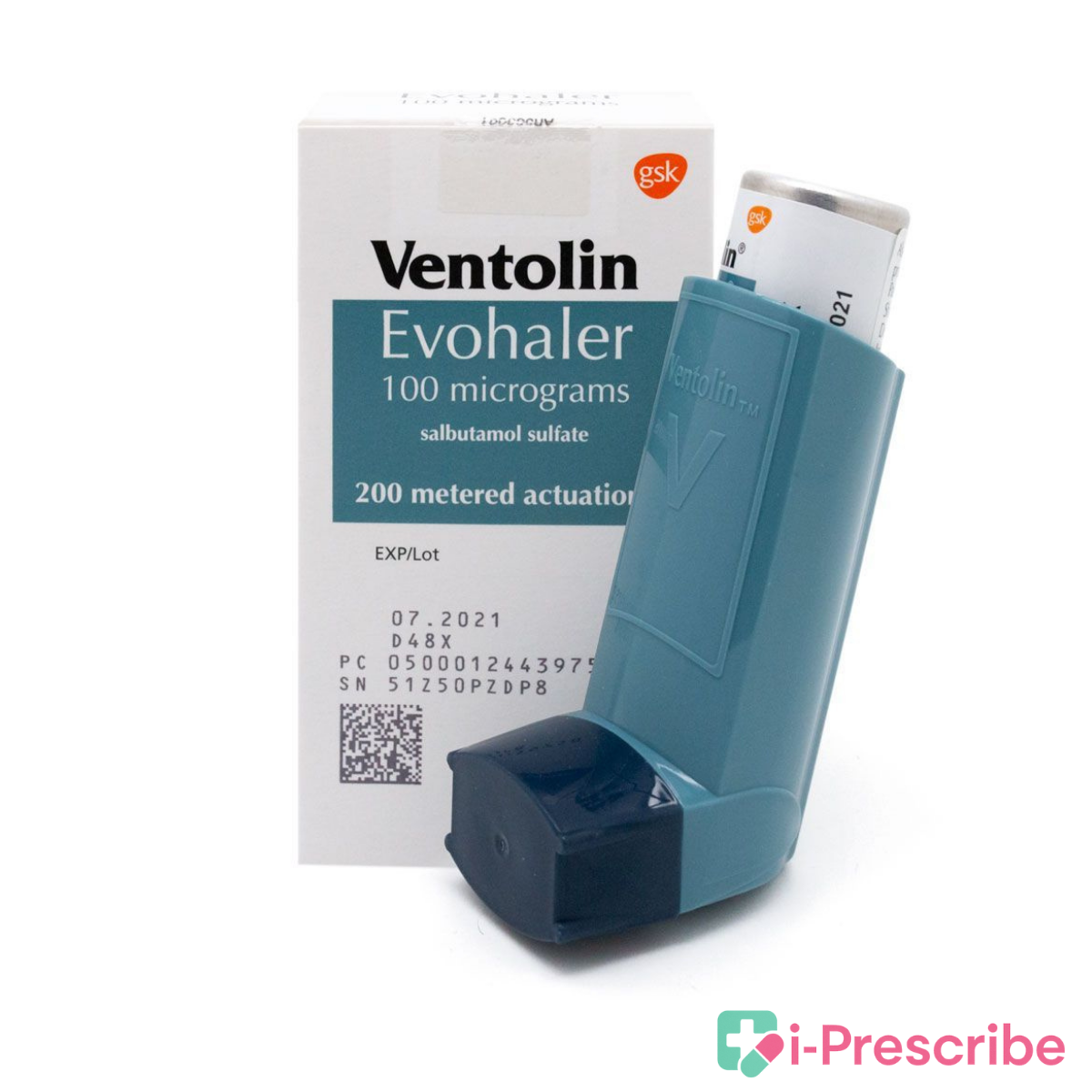

Aerochamber Plus Spacer
More Information
Common Symptoms of Asthma
- Shortness of breath
- Wheezing (a whistling sound when breathing)
- Coughing, especially at night or early morning
- Tightness in the chest
These symptoms can worsen during a flare-up, which may be triggered by allergens like pollen, pet dander, or dust mites; irritants such as smoke, air pollution, or strong cleaning products; or factors like illness, exercise, or changes in weather.
Causes of Asthma
- Allergens: Pollen, pet dander, dust mites, mould, and cockroach droppings can irritate the airways.
- Irritants: Smoke (cigarette or wood), air pollution, strong fumes, and chemical cleaning products can trigger symptoms.
- Respiratory Infections: Colds, flu, or other illnesses can inflame the airways and worsen asthma.
- Weather Changes: Cold air, humidity, or sudden temperature shifts can affect breathing.
- Exercise: Physical activity, especially in cold or dry air, can lead to exercise-induced asthma.
- Emotional Stress: Anxiety or strong emotions can sometimes trigger symptoms.
When To See A Doctor
f you suspect you or a loved one may have asthma, or if you’re struggling to manage your symptoms, it’s important to seek medical advice. Early diagnosis and proper treatment can help you breathe easier and prevent complications.
Seek medical advice if you notice:
- Frequent coughing, wheezing, or shortness of breath that interferes with daily activities.
- Tightness in your chest that makes it hard to breathe.
- Symptoms that worsen at night or early in the morning.
- Frequent use of a reliever inhaler (e.g., Ventolin) without improvement.
- Symptoms triggered by exercise, allergens, or irritants like smoke or pollution.
Common Risk Factors
- Family History: If a close relative has asthma, you’re more likely to develop it.
- Allergies: People with allergies (e.g., hay fever, eczema) are at higher risk.
- Environmental Exposure: Living in areas with high pollution or being exposed to second hand smoke can increase the risk.
- Occupational Hazards: Jobs involving chemicals, dust, or fumes (e.g., farming, manufacturing) can contribute to asthma.
While asthma can’t always be prevented, identifying and avoiding triggers can help manage symptoms and reduce flare-ups. If you suspect asthma, consult your GP for a proper diagnosis and personalized management plan.
FAQ's
What are common triggers for asthma?
Common triggers include household cleaning products, dust mites, mould, air pollution, pet dander, pollen, and cigarette smoke. Symptoms can also worsen during illness, exercise, or changes in weather.
What is an asthma attack?
An asthma attack is a severe flare-up where normal medication isn’t effective. Signs include worsening symptoms, difficulty talking or breathing, and your blue inhaler not helping. Sit upright, use your inhaler, and call 999 if you don’t improve after 10 puffs.
What are the best treatments for asthma?
The main treatments are reliever inhalers (e.g., Ventolin) for quick symptom relief and preventer inhalers to reduce inflammation. Severe cases may require tablets, injections, or surgery.
How else can I manage my asthma?
Manage asthma by taking medications as directed, carrying your blue inhaler, avoiding smoking, exercising regularly, eating healthily, getting the flu vaccine, and having regular check-ups with your GP or asthma nurse.