
Haemorrhoids (Piles)
Find relief at home: expert haemorrhoid care and fast, discreet delivery to your doorstep.
About Haemorrhoids
Haemorrhoids, also known as piles, are swollen blood vessels located inside the rectum (internal haemorrhoids) or around the anus (external haemorrhoids). These veins can become enlarged due to increased pressure, leading to symptoms like pain, itching, bleeding, and discomfort during bowel movements.
Haemorrhoids are very common, affecting millions of people in the UK. While they can be uncomfortable, they are treatable and manageable with the right care.
Many people find relief through over-the-counter treatments, lifestyle changes, and medical interventions when necessary.
Treatments
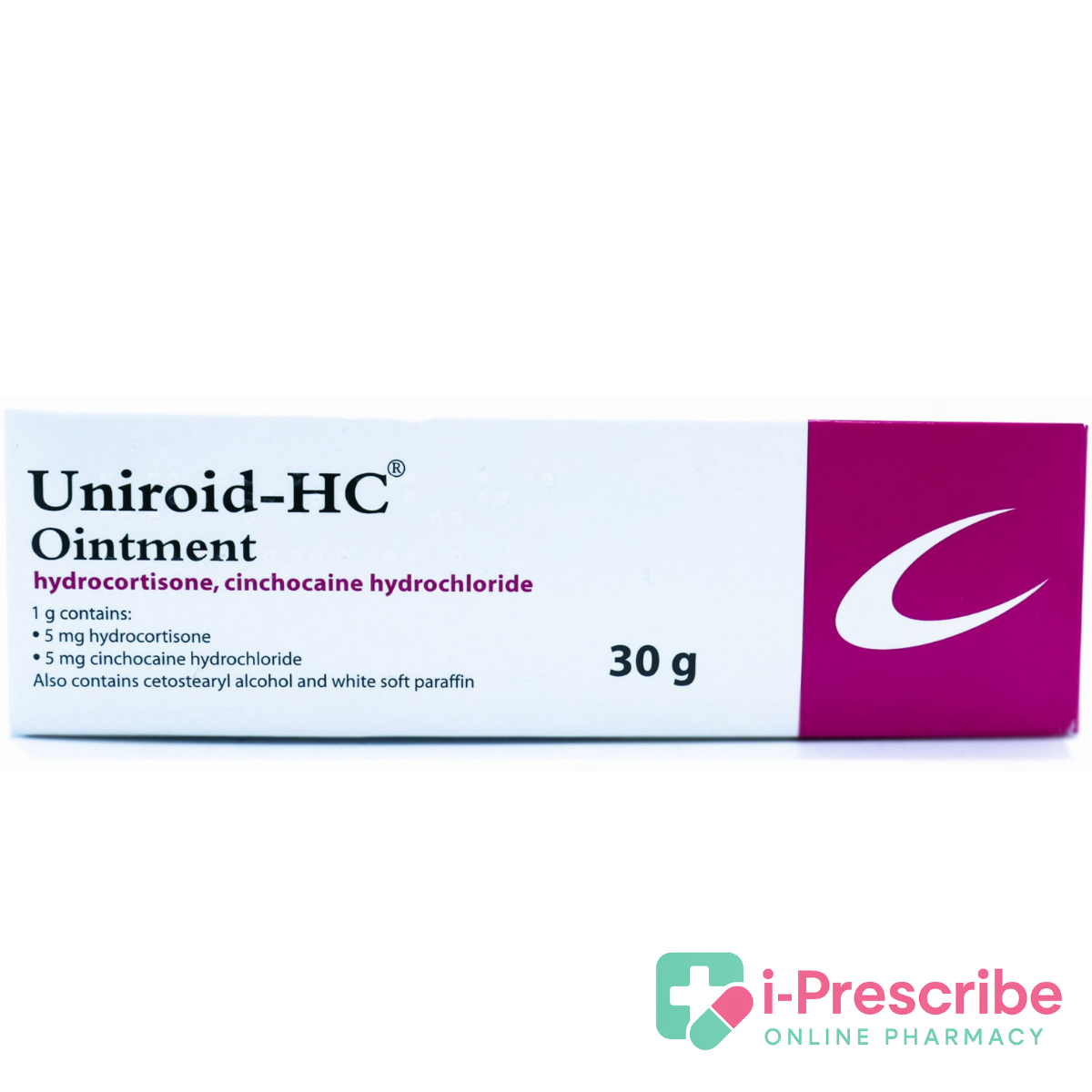
Common Medications
Haemorrhoids can often be managed effectively with a combination of home remedies, over-the-counter treatments, and lifestyle changes. Here’s a brief overview of treatment options:

More Information
Common Symptoms of Haemorrhoids
Pain or discomfort, especially during bowel movements.
Itching or irritation around the anal area.
Swelling or lumps near the anus (common with external haemorrhoids).
Bleeding, often seen as bright red blood on toilet paper or in the toilet bowl.
A feeling of fullness or pressure in the rectum.
In some cases, internal haemorrhoids may prolapse, meaning they protrude outside the anus, causing additional pain and discomfort. If you experience persistent or severe symptoms, it’s important to seek medical advice for proper diagnosis and treatment.
Causes of Haemorrhoids
Haemorrhoids occur when the blood vessels in the rectum or around the anus become swollen due to increased pressure. Common causes and risk factors include:
Straining during bowel movements, often due to constipation or diarrhea.
Prolonged sitting, especially on the toilet, which increases pressure on the anal veins.
Pregnancy, as the growing uterus puts pressure on the pelvic veins.
Obesity, which adds strain on the rectal area.
Low-fibre diets, leading to hard stools and constipation.
Heavy lifting, which can increase abdominal pressure.
Aging, as the tissues supporting the veins weaken over time.
When To See A Doctor
While many cases of haemorrhoids can be managed at home, there are times when it’s important to seek medical advice. Consult a doctor if you experience:
Persistent bleeding from the rectum, especially if it’s heavy or frequent.
Severe pain that doesn’t improve with over-the-counter treatments.
Prolapsed haemorrhoids that don’t retract on their own.
Changes in bowel habits, such as unusual stool colour or consistency.
Unexplained weight loss or fatigue, which could indicate a more serious condition.
If symptoms persist for more than a week or worsen despite home care, it’s important to get a proper diagnosis. Early medical intervention can help prevent complications and provide effective relief.
Types of Haemorrhoids (Piles)
Haemorrhoids, or piles, are categorized based on their location and severity. Understanding the different types can help you identify your condition and seek appropriate treatment.
1. Internal Haemorrhoids
These occur inside the rectum and are usually painless because the area lacks nerve endings. They are graded based on their severity:
Grade 1: Small, internal haemorrhoids that may bleed but do not prolapse (protrude outside the anus).
Grade 2: Haemorrhoids that prolapse during bowel movements but retract on their own.
Grade 3: Haemorrhoids that prolapse and require manual pushing to retract.
Grade 4: Prolapsed haemorrhoids that cannot be pushed back and may require medical intervention.
2. External Haemorrhoids
These form under the skin around the anus and can be painful, especially if a blood clot develops (thrombosed haemorrhoid). Symptoms include swelling, itching, and discomfort.
3. Thrombosed Haemorrhoids
These occur when a blood clot forms in an external haemorrhoid, causing severe pain, swelling, and a hard lump near the anus. They may require medical treatment if symptoms don’t improve.
Difference Between Anal Fissures and Haemorrhoids
While both anal fissures and haemorrhoids affect the anal area and share some symptoms, they are distinct conditions with different causes and treatments.
Anal Fissures
What they are: Small tears or cracks in the lining of the anal canal, often caused by passing hard stools or trauma during bowel movements.
Symptoms:
Sharp, severe pain during and after bowel movements.
Bright red blood on toilet paper or stool.
Itching or burning around the anus.
Treatment: Includes stool softeners, topical creams, and lifestyle changes to promote healing.
Haemorrhoids
What they are: Swollen blood vessels in the rectum or around the anus, caused by increased pressure (e.g., straining, pregnancy, or prolonged sitting).
Symptoms:
Pain, itching, or swelling around the anus.
Bleeding during bowel movements.
A feeling of fullness or a lump near the anus.
Treatment: Includes over-the-counter creams, lifestyle changes, and medical procedures for severe cases.
While both conditions can cause pain and bleeding, anal fissures are tears in the anal lining, while haemorrhoids involve swollen blood vessels. Proper diagnosis is essential for effective treatment, so consult a doctor if you’re unsure.
FAQ's
How can I treat haemorrhoids at home?
Home treatments include warm sitz baths, over-the-counter creams, and increasing fibre intake to soften stools. Staying hydrated and avoiding prolonged sitting can also help reduce symptoms.
When should I see a doctor for haemorrhoids?
See a doctor if you experience persistent bleeding, severe pain, or a prolapsed haemorrhoid that doesn’t retract. Also seek medical advice if symptoms don’t improve after a week of home care.
Can haemorrhoids be prevented?
Yes, you can reduce your risk by eating a high-fibre diet, staying hydrated, avoiding straining during bowel movements, and exercising regularly. These steps help prevent constipation and reduce pressure on the anal veins.